


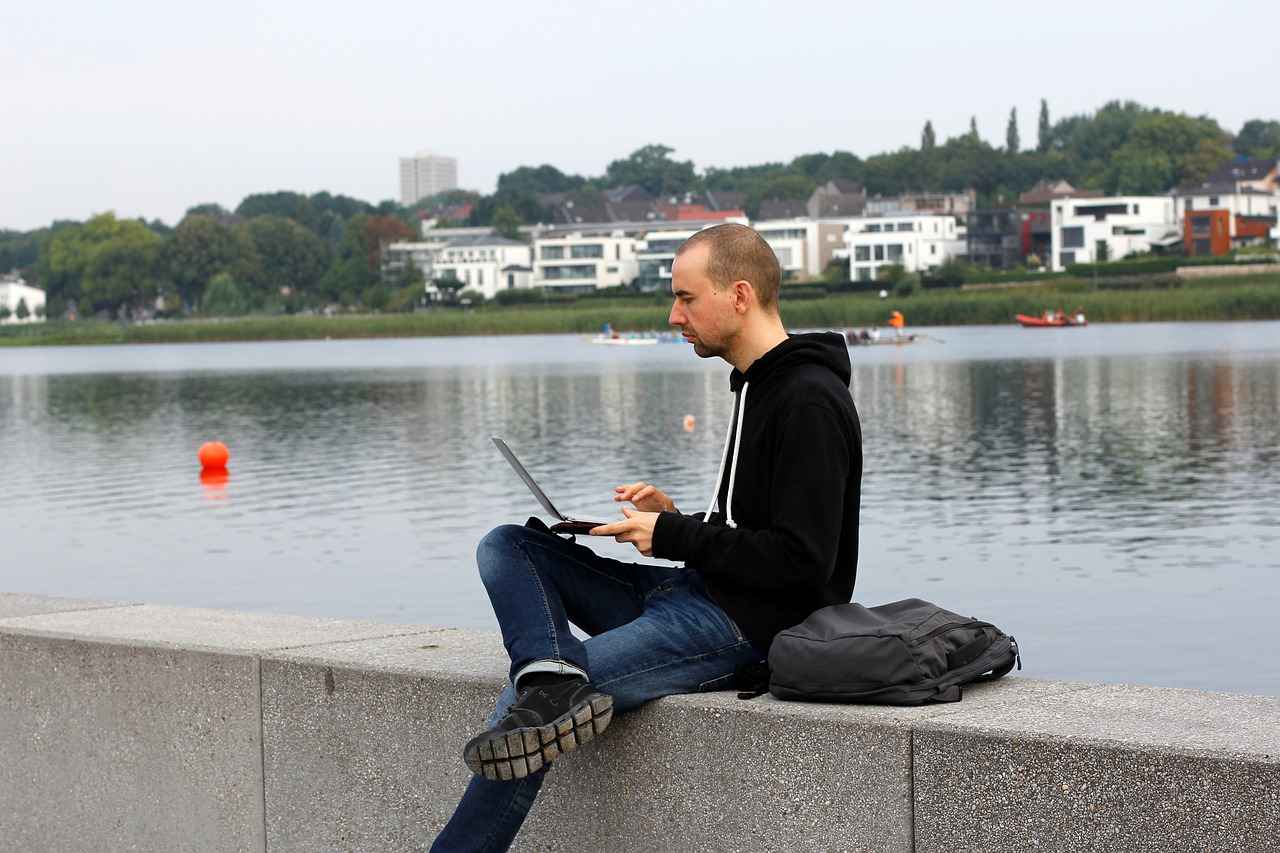
Two years of lockdowns taught us many things, and one of them was that we didn’t need to be in the office every day. Digital nomadism was already on the rise, pre-pandemic.
The number of nomads in the U.S. rocketed from 4.8 million in 2018 to 10.9 million in 2020, but Covid has had the effect of supercharging our desire to get out there and work in the big, wide world. Pieter Levels, the founder of NomadList, predicts that, globally, there will be a billion digital nomads by the year 2035.
For the digital nomad, earning a living becomes an adventure; it won’t be a stress-free lifestyle, but it will dodge the deadening monotony of the daily commute, the same faces, and the same four walls. So, what’s the ideal location?
Everyone has their individual priorities, but it’s a safe bet that weather, leisure attractions, and fast internet are likely to be on the list. Helpfully, the Work From Wherever Index enables you to compare 111 countries that have been ranked against 22 factors.
There’s also a time zone ranking system that helps you decide whether a particular time zone would work for you and your clients. Consider these four contenders from the top ten best countries in the world, in which to work as a digital nomad.
Frankfurt, Germany
Germany just squeezes into tenth place because let’s face it, it’s not the tropical paradise that most people have in mind. On the plus side, it’s a country that goes out of its way to welcome digital nomads, it’s safe, politically stable, and LGBTQ+ friendly.
Situated on the banks of the Rhine, Frankfurt is the financial capital of Germany, and perhaps for this reason, it’s home to the tallest buildings in Europe, though it also has a rich heritage of traditional buildings. It’s a compact city of just 753,000, and it even has its own city forest.
Valetta, Malta
The Mediterranean island of Malta, the most densely populated country in Europe, ranks at number six. It scores highly on health and safety, with traffic fatalities just 4 per 100,000, but low on social life. Valletta, located in the south-east of the island, is Malta’s capital and a UNESCO World Heritage site.
With a population of just 7,000, Valetta is Europe’s smallest capital, but despite this, there is a good selection of affordable rental accommodation available.
Mexico
Mexico is another great option for digital nomads due to its affordability, lifestyle, and strong infrastructure. From Mexico City’s energy to the relaxed vibes of Playa del Carmen and Puerto Vallarta, it offers diverse environments for remote workers.
Living costs are reasonable, with affordable rent, coworking options, and reliable internet in major cities. Many nomads staying long-term consider the Temporary Resident Visa pathway—check the official Mexico Visa guide for income and application details.
With a growing international community, plenty of coworking spaces, and rich culture, Mexico remains one of the most attractive bases for digital nomads seeking flexibility and quality of life.
Thailand
Thailand is also attractive for digital nomads thanks to its affordable cost of living, warm climate, fast internet, and vibrant communities. Bangkok, for instance, was ranked the second-best city in the world for digital nomads by The Instant Group, due to its very high-speed Wi-Fi spots, efficient transport, and very reasonable accommodation.
Beyond the capital, places like Chiang Mai offer a more relaxed pace, strong nomad networks, and a low monthly budget, making them especially popular.
To make the most of a long-term stay, many remote workers look into setting up a more formal base in the country. In that context, it provides options for obtaining permanent residency, opening the door to stability, deeper community ties, and potentially more favorable local business opportunities.
Madrid, Spain
Madrid, the vibrant capital of Spain, ranks among the top destinations for remote workers thanks to its excellent air quality, affordable rents, reliable high-speed internet, and lively social scene. The city offers more than 807 clubs and bars per 1,000 residents, making it an exciting place for networking and entertainment after work hours.
Home to over 3.3 million people, Madrid is the second-largest city in the European Union and is widely admired for its stunning architecture, rich culture, and more than 100 famous tourist attractions. From world-class museums to bustling plazas and late-night cafés, the city offers endless experiences for remote professionals.
For those planning to apply for a digital nomad visa in Spain, Madrid stands out as one of the best locations to live and work remotely. The city is highly welcoming to international freelancers and remote employees, with plenty of coworking spaces, nomad-friendly cafés, and expat communities that make settling in easier.
Although navigating such a large city can feel overwhelming at first, locals are known for being friendly and helpful. Another advantage is that rental prices become significantly more affordable as you move farther from the city centre, allowing digital nomads to enjoy Madrid’s lifestyle while managing their budget effectively.
The islands of Madeira, Portugal
It’s hardly surprising that Portugal tops the list of best places in which to work as a digital nomad; the country really does have a lot to offer. First, there’s the climate, around 300 days of sunshine a year in the south of the country, and secondly, there’s the cost of living, which is one of the lowest in Europe.
Add to this that it’s the third safest country in the world and that its 1,000-mile coastline has some of the best beaches in the world, and then there’s the food and the wine and the buildings, and you can see why digital nomads have been heading there in droves.
The autonomous region of Madeira, famed for the diversity of its flora and fauna, created the world’s first digital nomad village in Ponto do Sol in February 2021, since which time it has been visited by over 4,500 digital nomads.
The village offers accommodation for stays of up to three months as well as free use of co-working space, the fastest internet in Portugal, and ample opportunity for networking. For nomads wanting to stay longer, there is plenty of rental accommodation available on the island, at much lower prices than in Lisbon.
