


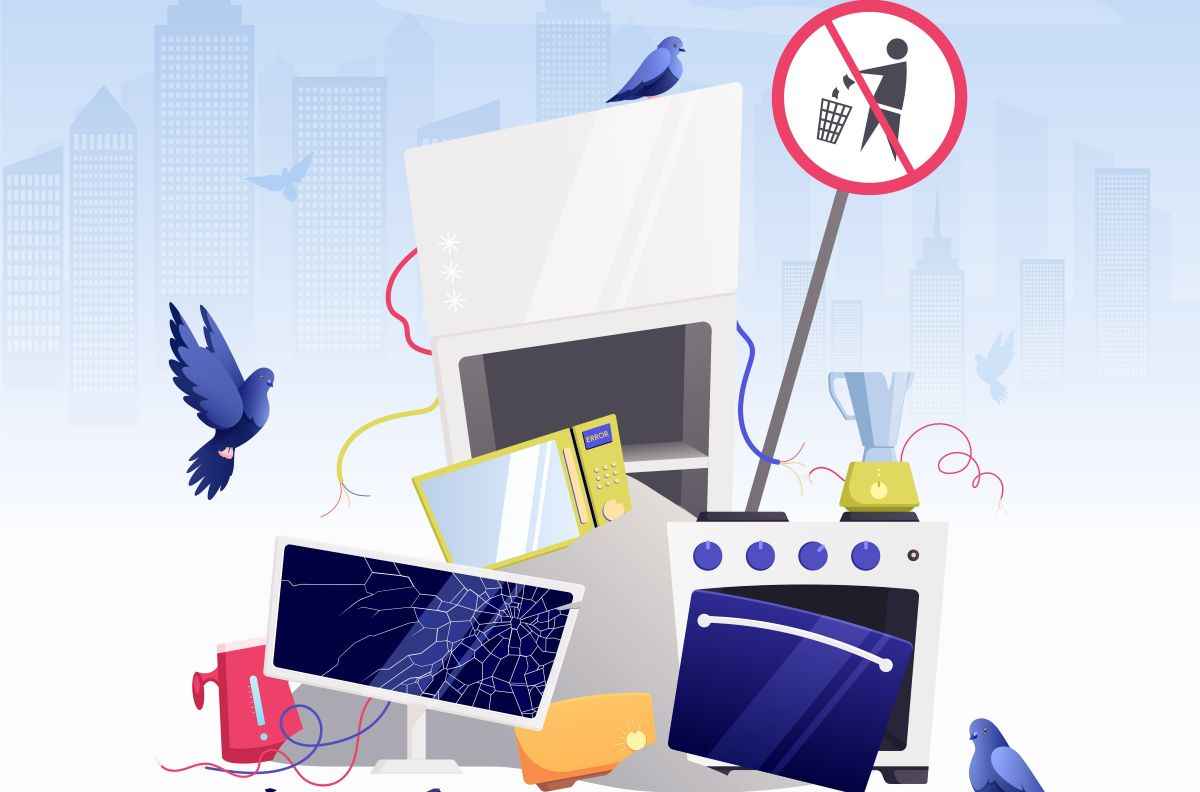
For most businesses, disposing of old IT equipment is a cost to be minimised and a task to be deferred. It sits in the category of things that are important but not urgent — until a data breach, a regulatory audit, or an office move forces the issue.
But a growing number of UK organisations are discovering that a well-managed IT disposal process is not just a compliance obligation. It can be a genuine competitive advantage.
The ESG Connection
Environmental, social, and governance criteria are no longer niche concerns. They are embedded in procurement processes, investor assessments, and client due diligence across every sector. How a business handles its electronic waste is a tangible, measurable indicator of its environmental commitment — and increasingly, it is being asked about directly.
Businesses that can demonstrate a zero-landfill IT disposal process, certified data destruction, and materials recovery through circular economy principles have a concrete ESG story to tell. It is not greenwashing — it is documented, verifiable, and directly aligned with corporate sustainability targets. For businesses competing for contracts where ESG credentials are evaluated, this can be a genuine differentiator.
Regional Growth, Regional Responsibility
Manchester’s position as the UK’s second city for technology and professional services means the volume of IT equipment cycling through the region’s businesses is substantial and growing. The demand for compliant IT disposal Manchester organisations can rely on reflects the city’s economic maturity — businesses here are sophisticated enough to recognise that disposal is a governance issue, not just a logistics problem.
The same is true across the North West and beyond. Liverpool, Leeds, Sheffield, and Newcastle all have growing digital economies generating increasing volumes of end-of-life IT hardware. For businesses in these cities, having access to a disposal provider that operates nationally but collects locally is the practical requirement.
The Value Recovery Angle
Beyond compliance and ESG, there is a straightforward financial argument for professional IT disposal. The UK refurbished IT market is worth over £1.5 billion annually. Business-grade laptops, servers, and networking equipment that have been properly wiped and tested command meaningful resale prices. A three-year-old ThinkPad or Latitude can fetch £100 to £250. A recent-generation server can recover significantly more.
For businesses refreshing their hardware, this recovery value partially offsets the cost of new equipment. It is not transformative — nobody is funding their IT budget from old laptop sales — but it is meaningful, particularly for SMEs where every line item matters. And it converts what would otherwise be a pure cost (disposal fees, skip hire, storage) into a net-positive financial outcome.
Making It Happen
The practical steps are not complicated. Maintain an asset register that tracks every device from procurement to disposal. Set a policy that decommissioned equipment enters the disposal process within 30 days. Use a certified provider with ADISA certification, ISO 27001, and proper waste handling licences. Insist on individual data destruction certificates. And retain the documentation as part of your compliance records.
The businesses that turn IT disposal into an advantage are not doing anything revolutionary. They are simply doing the basics well, consistently, and using the documentation to demonstrate it. In a world where ESG credentials, data governance, and supply chain responsibility are all under scrutiny, that consistency is worth more than most organisations realise.
